
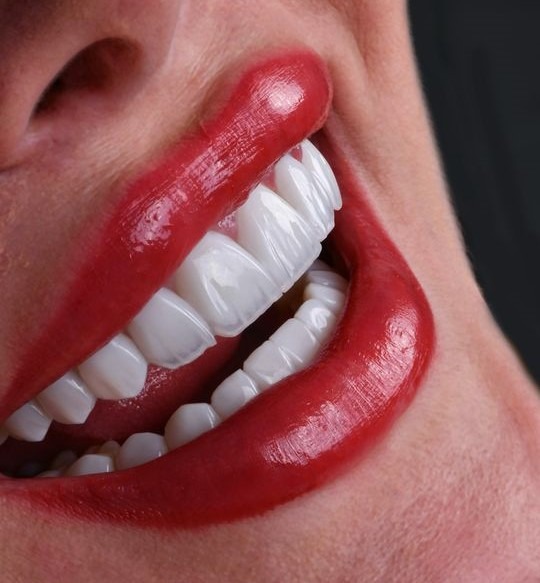
A confident smile can make everyday moments feel more comfortable. Yet, small dental flaws may sometimes affect how you feel about your teeth. Uneven edges, visible stains, and minor gaps can all change the look of your smile.
Dental veneers in Albania offer a way to improve these concerns while keeping a natural appearance. At Radiance Dental Hospital in Tirana, we focus on creating smiles that suit each patient’s face, needs, and dental health.
Our approach begins with a simple idea: a beautiful smile should also be healthy and comfortable.
What Makes Dental Veneers a Popular Smile Treatment?
Dental veneers are thin, custom-made coverings placed on the front surface of teeth. They help improve the visible appearance of the smile without covering the entire tooth like a crown.
They may be suitable for people who want to address:
- Yellow or stained teeth that do not respond well to whitening.
- Small chips along the edges of front teeth.
- Minor gaps between teeth.
- Uneven tooth shapes or sizes.
- Teeth that appear worn or shorter than others.
However, veneers are not designed to treat every dental problem. Healthy teeth and gums are an important starting point.
For this reason, a dental examination is needed before choosing treatment.
The Secret to a Natural-Looking Smile
A natural smile is not simply about making teeth whiter. Shape, size, colour, and balance all play an important role.
For example, very large veneers may look out of place on a smaller face. Likewise, an extremely bright shade may not match the patient’s natural features.
At Radiance Dental Hospital, smile planning considers these details together.
Finding the Right Tooth Shape
Every person has a different smile. Therefore, the shape of each veneer should match the patient’s facial features and existing teeth.
The dentist also considers the position of the lips and the way the teeth meet when biting.
Choosing a Natural Tooth Colour
A bright smile does not always require the whitest shade.
Instead, the goal is to choose a colour that looks balanced and suits the patient. This helps create a smile that feels natural rather than artificial.
Creating Balance Between Teeth
Small changes can make a visible difference.
For instance, adjusting the length or shape of the front teeth may improve the overall look of a smile.
As a result, the final design focuses on balance rather than making every tooth look identical.
Porcelain Veneers and Composite Veneers
Not all dental veneers are made from the same material. The two main options are porcelain and composite resin.
Both can improve the appearance of teeth. However, they differ in strength, colour stability, and the way they are placed.
Porcelain Veneers
Porcelain veneers are thin ceramic shells made to fit individual teeth.
They are often chosen for their natural appearance and good resistance to stains. In addition, their colour can be matched to the surrounding teeth.
Porcelain veneers may last for many years with proper care. Still, they can chip or become loose, and some may need replacing over time.
Composite Veneers
Composite veneers use a tooth-coloured resin that is shaped and bonded to the teeth.
This option may require less enamel removal in some cases. Furthermore, small repairs can often be made without replacing the entire veneer.
On the other hand, composite resin is generally more likely to stain or wear than porcelain.
The right material depends on your oral health, needs, and the dentist’s advice.
How Digital Smile Planning Supports Veneer Treatment
Modern dental tools help dentists study each smile before treatment begins.
At Radiance Dental Hospital, digital scanning can be used to capture detailed information about the teeth.
This process helps the dental team assess tooth shape, position, and available space.
Moreover, digital records can support communication between the dentist and the dental laboratory.
However, technology does not replace clinical judgment. A careful dental examination remains essential.
What Happens During Your Veneer Treatment?
Getting veneers involves several steps. The exact plan depends on the chosen material and the condition of your teeth.
Step 1: Understanding Your Smile Goals
First, the dentist asks what you would like to improve.
You may want to close a small gap, change the appearance of a tooth, or create a more even smile.
During this visit, the dentist also checks your gums, teeth, and bite.
Step 2: Planning the Treatment
Next, the dental team reviews your oral health and the changes you would like to make.
Digital scans or dental impressions may be taken to help plan the new tooth shapes.
At this stage, the dentist explains the available options, possible limits, and expected treatment steps.
Step 3: Preparing the Teeth
Some veneers require a thin layer of enamel to be removed.
This creates room for the new covering and helps it fit the tooth.
However, the amount of preparation varies. Once enamel has been removed, the change cannot be reversed.
Step 4: Fitting the Veneers
Once the veneers are ready, the dentist checks their fit, colour, and appearance.
Any necessary changes are considered before final bonding.
Finally, the dentist checks how the teeth meet and provides care instructions.
Dental Veneers or Teeth Whitening: Which Is Better?
These treatments serve different purposes.
Teeth whitening aims to lighten the colour of natural teeth. It does not change their shape or size.
In contrast, dental veneers cover the front surface of teeth. Therefore, they can change both their appearance and colour.
For example, whitening may be enough for someone with healthy teeth who only wants a brighter shade.
However, veneers may be considered when stains are difficult to remove or when small changes to tooth shape are also needed.
Neither option is automatically better. The most suitable choice depends on a dental assessment.
Can Dental Veneers Improve a Gummy or Uneven Smile?
Some patients feel that their teeth appear too short or that their smile lacks balance.
Veneers may help improve the visible shape and length of certain teeth.
However, they cannot correct every cause of an uneven smile.
For instance, some patients may need gum treatment or orthodontic care instead. Others may benefit from a combined treatment plan.
That is why an accurate diagnosis matters before making cosmetic changes.
How to Protect Your New Smile
Even high-quality veneers need daily care.
Although porcelain is resistant to many common stains, the teeth and gums around the veneers still need attention.
To help protect your smile:
- Brush your teeth twice a day with fluoride toothpaste.
- Clean between your teeth every day.
- Avoid biting pens, ice, or other hard objects.
- Attend regular dental check-ups.
- Tell your dentist if you grind or clench your teeth.
In addition, a protective night guard may be recommended for some patients.
Good oral care helps support both the veneers and the natural teeth underneath.
Why Consider Dental Veneers in Tirana, Albania?
Choosing dental care abroad requires careful research.
Patients should understand the proposed treatment, the materials involved, and the care they may need after returning home.
At Radiance Dental Hospital in Tirana, our multidisciplinary dental team works within one modern facility.
The hospital brings together different dental services, allowing the team to assess both cosmetic goals and oral health needs.
Furthermore, digital dental tools support detailed treatment planning.
Our aim is to help patients make informed decisions about their smiles through clear explanations and individual care.
Frequently Asked Questions About Dental Veneers
Do veneers feel like natural teeth?
Well-fitted veneers should feel comfortable once you become used to them. However, your bite may need checking if anything feels unusual after placement.
Are dental veneers painful?
Many patients tolerate veneer treatment well. If tooth preparation is required, local anaesthesia may be used. Some patients may experience temporary sensitivity afterwards.
Can veneers fix crooked teeth?
Veneers can sometimes improve the appearance of minor tooth irregularities. However, significant crowding or bite problems may require orthodontic treatment.
Can I get veneers if I have gum disease?
Active gum disease should be assessed and treated before cosmetic veneer work. Healthy gums are important for a suitable long-term result.
Will I need to replace my veneers?
Possibly. Veneers can become worn, damaged, or loose over time. Therefore, they may eventually need to be repaired or replaced.
How many appointments are needed?
The number of visits depends on the type of veneer and the complexity of the case. Your dentist will explain the expected schedule after an examination.
Your Smile, Your Personal Treatment Plan
A successful smile improvement starts with understanding what makes your teeth unique.
At Radiance Dental Hospital, we believe cosmetic dentistry should respect natural tooth structure while improving the appearance of the smile.
Whether you want to correct minor flaws or explore a broader smile makeover, the first step is a professional dental assessment.
Interested in dental veneers in Albania?
Contact Radiance Dental Hospital in Tirana to request a personalised consultation and learn more about the treatment options that may suit your smile.


