Tourist attractions of the city of Tirana

The Pyramid of Tirana

Built between 1986 and 1988, the Pyramid was inaugurated as a museum dedicated to Enver Hoxha, the communist leader of Albania. Designed by a group of architects including Hoxha’s daughter, Pranvera, it initially represented the legacy of the regime. After 1991, the structure changed function, hosting cultural events and fairs. Today, after a major redevelopment project signed by the international studio MVRDV and supported by the AADF, the Pyramid has become the main center for digital education for young people. It hosts courses in technology, robotics, design, programming and multimedia arts, and is a symbol of Tirana’s transformation towards the future.

“Blloku” and Enver Hoxha's villa

During the communist regime, “Blloku” was a forbidden area for ordinary citizens, reserved exclusively for Party leaders. Today it is one of the trendiest neighborhoods in the city, full of trendy clubs, elegant cafes, luxury restaurants and international boutiques. Enver Hoxha’s villa, still visible in the neighborhood, represents a silent testimony to the private life of the communist nomenklatura. A vivid contrast between the past and the present, where the former political exclusivity has given way to the vibrant nightlife.

“Reja” – The Cloud

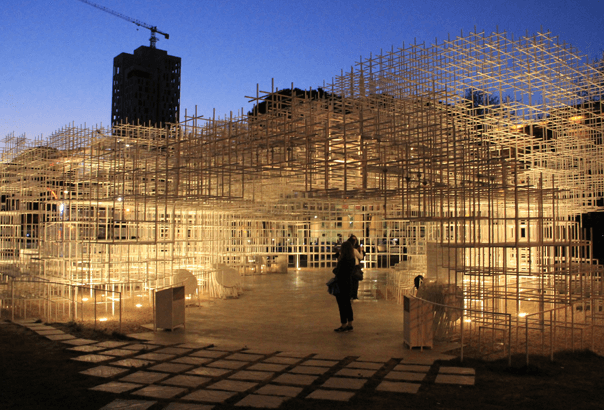
Designed by Japanese architect Sou Fujimoto, “Reja” is a stunning art installation located in front of the National Gallery of Arts. The lightweight and transparent stainless steel structure creates a dynamic space for cultural events, concerts, exhibitions and public activities. With its 541 m² and 7 meters high, “Reja” symbolizes the openness of the new Tirana towards contemporary creativity.

Skanderbeg Square

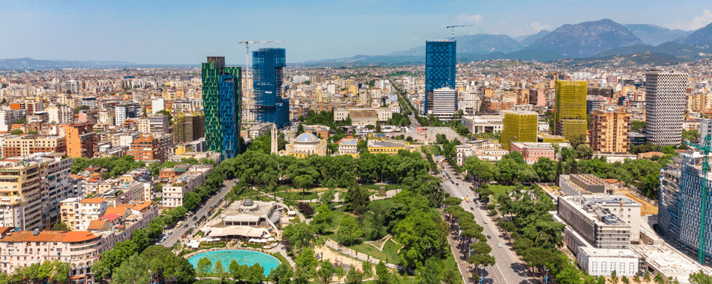
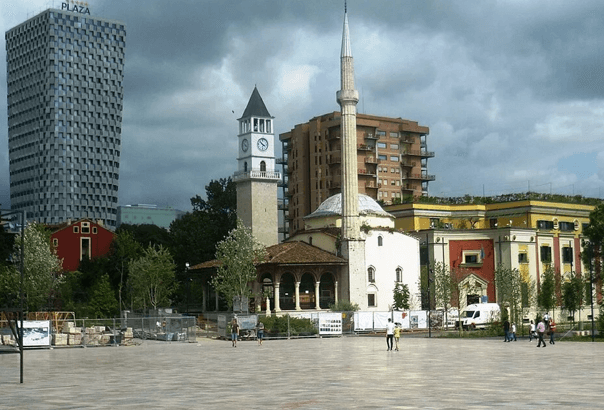
The beating heart of the capital, the square hosts the equestrian statue of the national hero, Gjergj Kastrioti Skanderbeg, who resisted the Ottoman invasion for over two decades. After a complete redevelopment, Skanderbeg Square today extends over a large pedestrian area, adorned with stones from all over Albania, and surrounded by important buildings such as the National Historical Museum, the Palace of Culture and the Et’hem Bey Mosque.

Palace of Culture

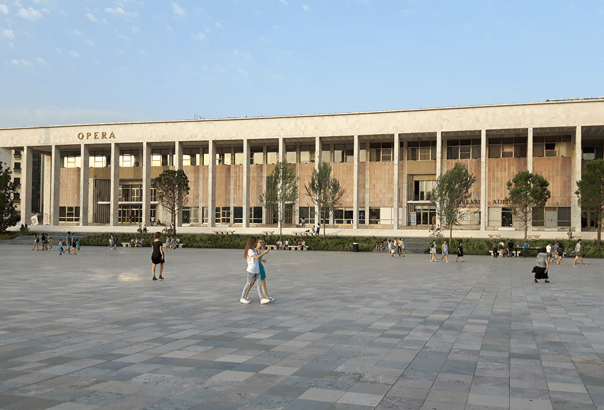
Built during the communist regime on the site of the old bazaar of Tirana, the Palace of Culture was completed in 1963 with the influence of Soviet architecture. It houses two of the most important cultural institutions in the country: the National Theatre of Opera and Ballet and the National Library. It is today one of the focal points of cultural life in Tirana.

National Historical Museum

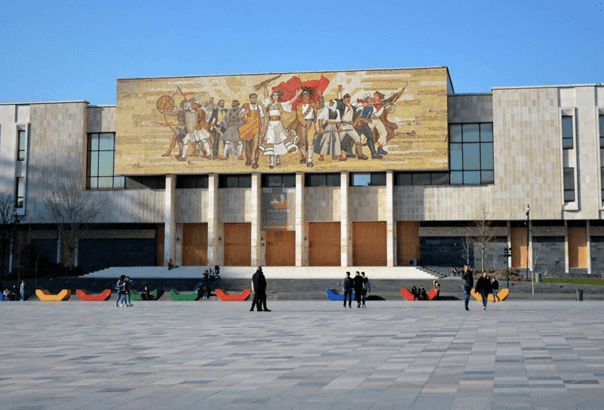
The largest museum in Albania, opened in 1981, houses about 6,200 exhibits that tell the story of the Albanian people from antiquity to the 20th century. The large mosaic on the facade, entitled “The Albanians,” represents the different historical eras: Illyrian warriors, patriots of the Renaissance, anti-fascist fighters and symbolic popular figures.

Clock Tower (Kulla and Sahatit)

An architectural symbol of Tirana, built between 1822 and 1830 next to the Et’hem Bey Mosque. Standing 35 meters tall, the Clock Tower offers a panoramic view of the city center. Restored in 1928 with the addition of a German clock, it has retained its historic charm despite the damage suffered during World War II.

BUNK'ART 2

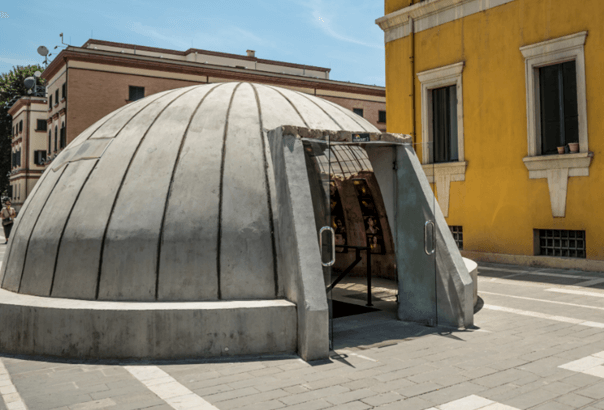
Located under the Ministry of the Interior, BUNK’ART 2 is a huge anti-nuclear bunker built between 1981 and 1986. Today it is a museum that documents the crimes of the communist dictatorship, the activity of the secret police and the system of surveillance and control of the population. With 24 exhibition rooms, it is a moving journey into the historical memory of the country.

National Museum of Wiretapping “House of Leaves”

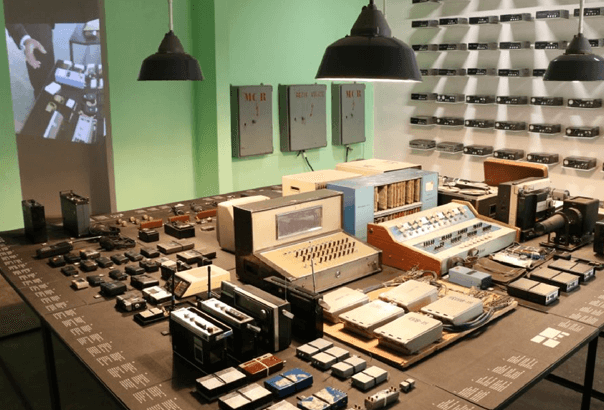
Once the headquarters of the secret police “Sigurimi i Shtetit”, the “House of Leaves” tells the story of espionage and persecution practices adopted during the communist regime. The building, built in 1931, became an electronic surveillance center and today collects documents, interception devices and historical testimonies of an era of terror and isolation.

Studio Kadare House

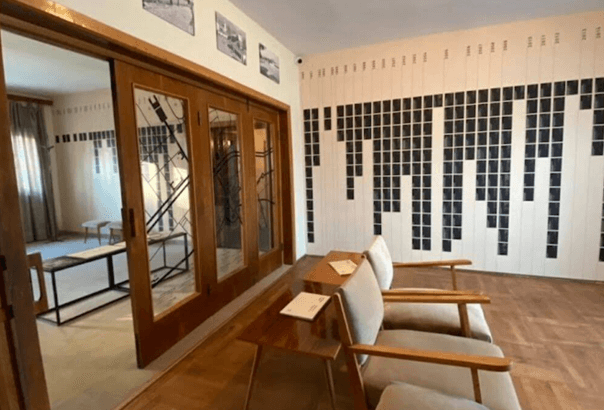
The house-studio of the famous writer Ismail Kadare, one of the greatest exponents of world literature, is now a literary museum. Here you can explore the life and work of Kadare, with original documents, manuscripts, first editions and testimonies of his cultural role during the difficult communist era. The apartment, designed by Maks Velo, is also a symbol of modern architecture persecuted by the regime.